March 22, 2026
Where Safety, Mobility, & Community Supports Intersect
Author
The civic landscape shaping a nonprofit's funding, partnerships, and reach is rarely visible from the inside.
Bird's Eye Impact makes it visible.
Why Access Is a Systems Problem, Not a Program Problem
Access is often misunderstood.
Organizations focus on building programs, expanding services, and increasing outreach. But access is not determined by effort alone. It is shaped by the environment people must navigate to reach those services.
When safety conditions, transportation networks, and community infrastructure are misaligned, even the strongest programs struggle to reach people.
At Bird’s Eye Impact, we map these systems together. And when we do, a consistent pattern emerges:
The problem is rarely awareness.
The problem is access.
The Hidden Barrier: Distance Without Mobility
Imagine needing a library, a job training center, or a health clinic.
Now imagine:
- It exists
- It is within a few miles
- But there is no way to get there
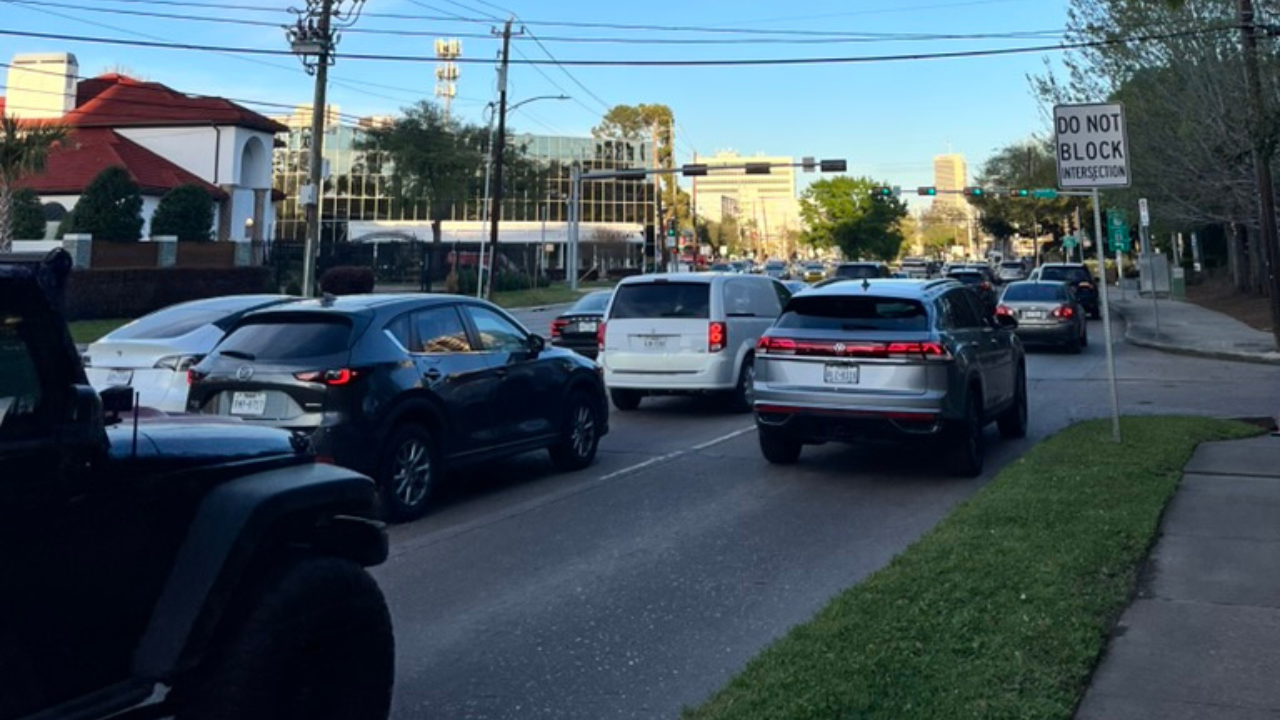
That is the reality in many communities. In Cypress Station, mapping revealed no public library within the district, the closest library miles away, and no transit route connecting residents.
Why Single-Issue Thinking Fails
Most strategies isolate problems:
- Transportation plans focus on routes
- Safety initiatives focus on crime
- Nonprofits focus on service delivery
But communities experience these systems simultaneously.
A resident deciding whether to attend a program is not separating safety, transit, and distance. They are experiencing all three at once. This is why isolated solutions often fall short.
The Compounding Effect
Barriers do not stack neatly. They multiply. A lack of transit reduces access. Safety concerns reduce willingness to travel. Scattered infrastructure increases distance.
Together, they create a system where participation becomes unlikely—even when services exist.
This is how communities become underserved despite strong organizational presence.
What Mapping Changes
Mapping these systems together does something powerful, it replaces assumptions with evidence. Instead of asking: “Why aren’t people showing up?” You can ask: “Is it actually possible for them to get here safely?”
This shift changes everything:
- Strategy becomes grounded in reality
- Partnerships become more targeted
- Advocacy becomes more precise
A More Honest Starting Point
One of the most valuable outcomes of this work is clarity. Not always comfortable clarity, but actionable clarity. Because once you see where transit fails, where infrastructure is missing, and where safety limits movement, you can stop guessing. And start designing solutions that match reality.
The Role of Civic Fragmentation
In many Houston communities, another layer complicates access: Civic fragmentation. When neighborhoods are split across multiple county precincts, and different city council districts, no single decision-maker sees the full picture.
This fragmentation slows coordination and diffuses accountability, making system-level solutions harder to achieve.
From Visibility to Strategy
At Bird’s Eye Impact, we believe you cannot solve what you cannot see. That is why the Bird’s Eye Atlas exists, to bring civic structures, community assets, and mobility realities Into one unified view. Because when the system becomes visible, strategy becomes possible.
Final Thought
If your organization is working harder but seeing inconsistent outcomes, the issue may not be effort, it may be environment. And the first step toward solving it is simple, map it.