March 30, 2026
Civic Awareness Is No Longer Optional
Author
The civic landscape shaping a nonprofit's funding, partnerships, and reach is rarely visible from the inside.
Bird's Eye Impact makes it visible.
Why understanding your civic landscape is now a baseline requirement, not a strategic advantage
Federal and pandemic-era funding once created a cushion for nonprofit and civic organizations.
That cushion is now gone.
Today’s funding environment is:
- More local
- More competitive
- More relationship-driven
Organizations that do not understand their civic landscape are now operating at a structural disadvantage.
This post introduces civic fragmentation—and why understanding it is no longer optional.
The Buffer Is Gone
Not long ago, organizations could focus inward and still remain sustainable. Federal grants and ARPA funding created stability, even for organizations with limited civic awareness.
That stability has disappeared. Funding is tightening. Philanthropy is localizing. Competition is increasing. The result is a fundamentally different operating environment. Success is no longer determined solely by program quality.
It is shaped by:
- Awareness
- Positioning
- Relationships
Organizations that understand their civic landscape are moving forward. Those that do not are falling behind.
What Is Civic Fragmentation?
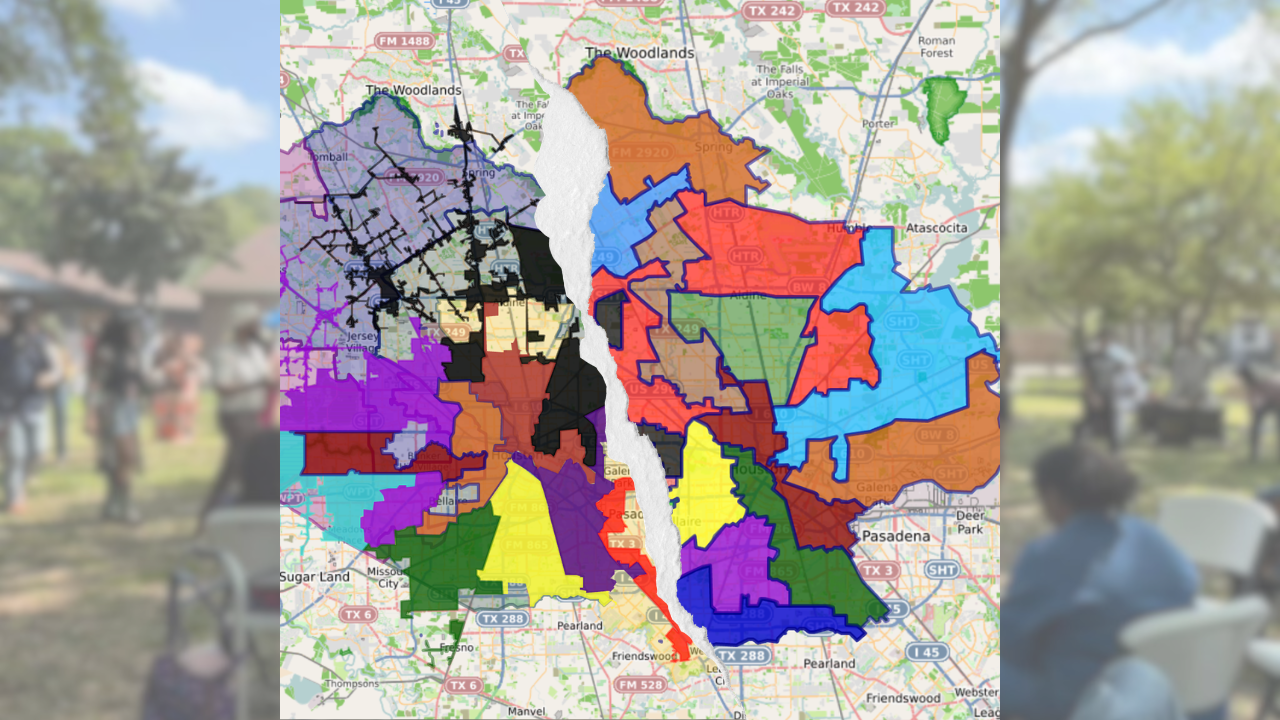
Houston is not one system—it is many.
Each community sits inside overlapping jurisdictions, including:
- City
- County
- School districts
- State representation
- Federal representation
Each layer operates independently. Each holds influence. Each controls resources. This is civic fragmentation. It is not chaos. It is unmapped complexity.
And for many organizations, it remains invisible.
Why It Matters Now
Federal funding once bypassed local systems. Organizations could access resources without needing deep civic knowledge. That is no longer true.
Local funding depends on:
- Relationships
- Geography
- Timing
If you are not known locally, you are not considered. This shift changes everything.
What Civic Awareness Changes
Funding
You understand where resources exist—and how to access them.
Partnerships
You see who is near you—and where alignment is possible.
Advocacy
You know who to engage—and when to act.
The Bird’s Eye Impact Approach
At Bird’s Eye Impact, we focus on making civic landscapes visible. We do not simplify complexity. We structure it.
We map:
- Civic systems
- Collaborative opportunities
- Competitive landscapes
So organizations can:
- See clearly
- Act strategically
- Position effectively
Looking Ahead
In the coming weeks, we will explore:
- How civic fragmentation shows up across Houston
- Why it remains unseen
- How organizations can begin navigating it
A Final Thought
If your organization’s success depends on your community—
Do you fully understand the system that governs it?