February 17, 2026
Beyond the Dashboard: What Houston Teaches About Context
Author
The civic landscape shaping a nonprofit's funding, partnerships, and reach is rarely visible from the inside.
Bird's Eye Impact makes it visible.
Why Strategic Leaders Must Hold Data and Story Together
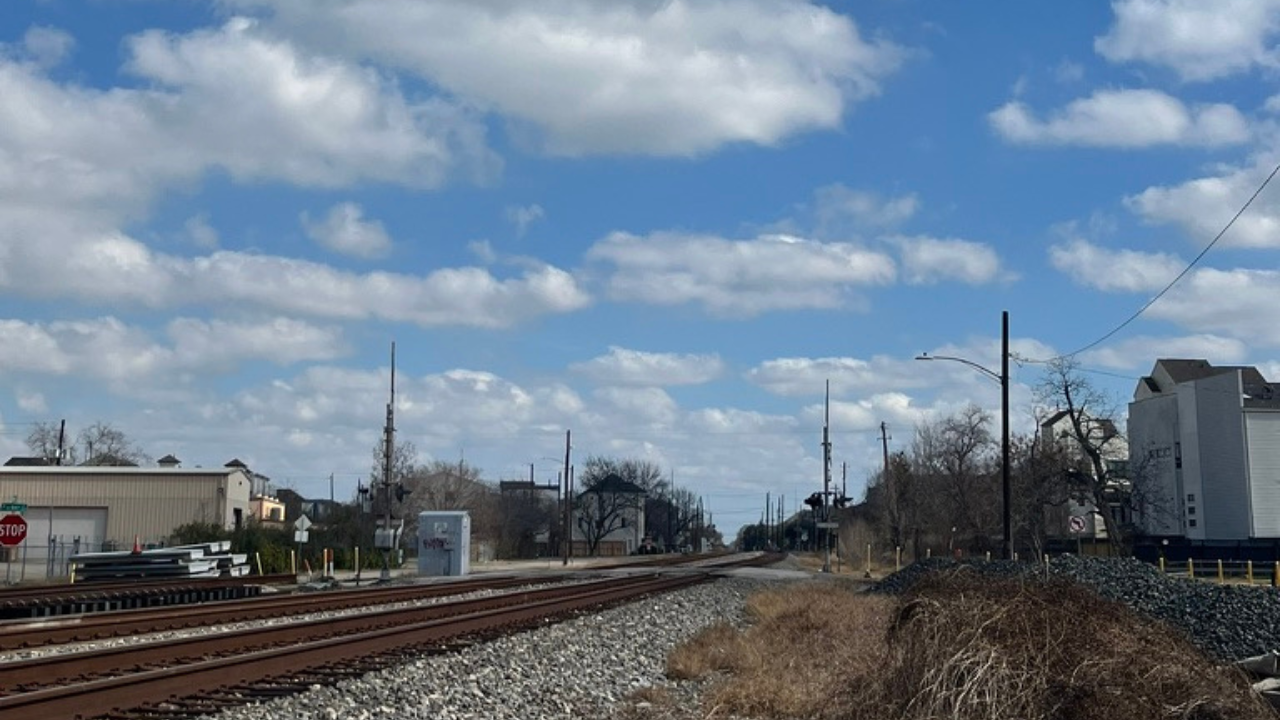
Houston is one of the most data-rich metropolitan regions in the country. We can map literacy gaps, crime concentrations, transit deserts, voting districts, and demographic shifts with remarkable precision.
But Houston is also shaped by informal networks, rapid growth, historic inequities, and fragmented governance. The data is real. The lived experience is equally real.
Strategic leaders, in nonprofits, management districts, public agencies, and philanthropy, face a critical challenge: how to hold rigorous data and human narrative together.
Data shows patterns.
Story reveals leverage.
The organizations that create durable change in Houston are not those with the most dashboards. They are those who understand the context beneath the data.
Houston Is a City of Overlaps
Houston does not operate in clean lines.
City boundaries intersect with county precincts.
Management districts overlap school districts.
Transportation corridors cut across political representation.
We can visualize it all.
We can identify census tracts with low literacy.
We can map crime density around apartment clusters.
We can see voter turnout lagging in specific zip codes.
These tools bring clarity to complexity.
But anyone who has worked in Houston knows the dashboard is only part of the picture.
What the Numbers Don’t Capture
Houston is relational.
In neighborhoods labeled “high risk,” there are pastors coordinating food distribution, teachers buying books out of pocket, apartment managers helping families stay housed, and small businesses extending informal credit.
A dataset cannot measure trust.
It cannot quantify the confidence of an adult completing ESL classes.
It cannot capture the fatigue of navigating multiple public systems for one issue.
It cannot show how the absence of gathering space limits opportunity.
When leaders rely only on indicators, they risk designing solutions that are technically correct but culturally incomplete.
Houston exposes that quickly.
Literacy, Safety, and Civic Participation: More Than Metrics
Houston’s dashboards show literacy rates, crime statistics, and voter turnout patterns.
These metrics matter.
But literacy is not just an education issue; it shapes employment, safety, and civic voice.
Crime statistics reflect not only enforcement gaps but lighting, walkability, youth mentorship, and economic opportunity.
Low voter turnout often reflects fragmented representation and unclear civic pathways.
When leaders see only the metric, they fund narrow interventions.
When they understand context, they invest in ecosystem change.
The Discipline Houston Demands
Houston does not reward simplistic strategy.
It requires leaders who can:
- Read the map carefully
- Listen deeply to stakeholders
- Notice where data and lived experience diverge
- Treat divergence as insight
Sometimes numbers show improvement while residents still feel unsafe.
Sometimes stakeholders name challenges that appear statistically small but relationally large.
Those tensions are not contradictions. They are signals.
Context often reveals what will actually move a system.
From Information to Impact
Better dashboards do not automatically produce better decisions.
Better decisions come from leaders who understand that people live inside the patterns data reveals.
GIS tells us where to look.
Community narrative tells us how to act.
When organizations hold both with integrity, fragmentation becomes coordination. Metrics become momentum. Communities are seen not as risk profiles, but as ecosystems with assets and unrealized potential.
At Bird’s Eye Impact, this is the discipline we practice: mapping the landscape rigorously while listening for the connective tissue beneath it. When communities can see both their data and their story clearly, alignment becomes possible and strategy becomes wiser.
Beyond the dashboard lies context.
And in Houston, context is everything.