June 7, 2026
We Named It An Atlas For A Reason
Author
The civic landscape shaping a nonprofit's funding, partnerships, and reach is rarely visible from the inside.
Bird's Eye Impact makes it visible.
When we were working through what to call our core deliverable, we kept coming back to the same word. Atlas. Not a report. Not a strategic plan. Not an assessment or a needs analysis or a landscape scan.
An atlas.
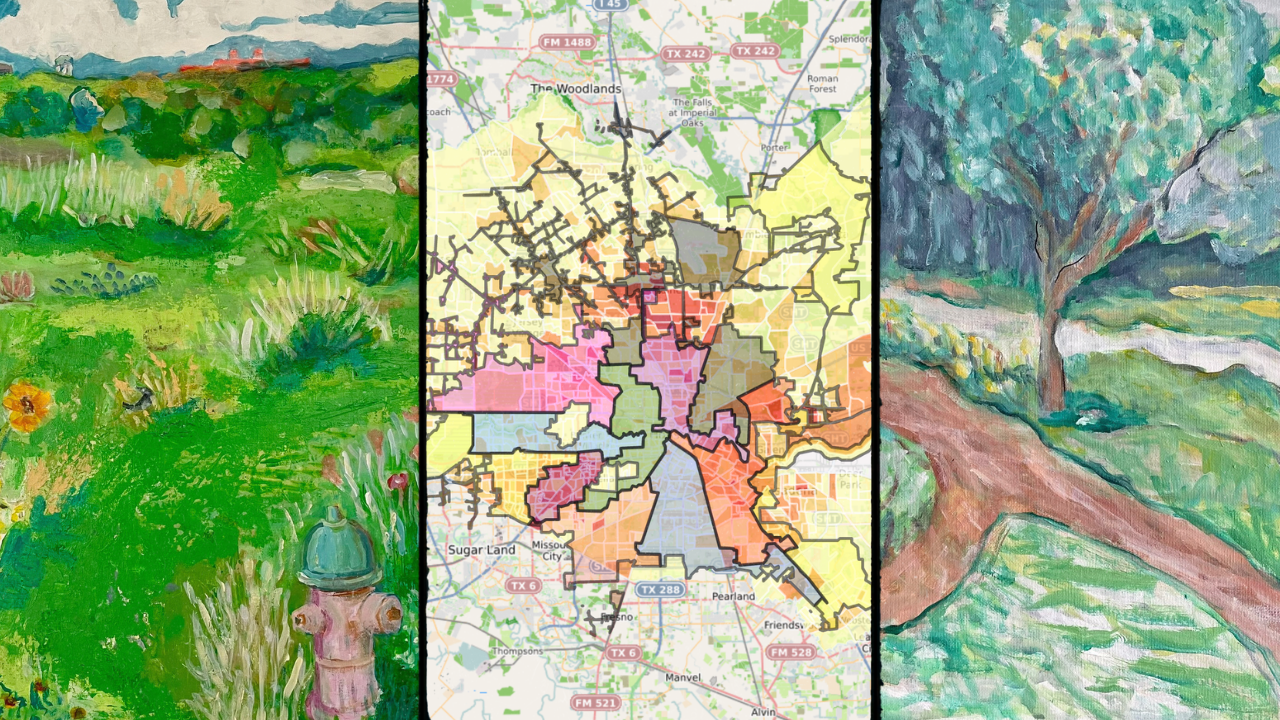
The reason is simple. An atlas orients you to a place. It shows you boundaries, terrain, and the relationship between where you are and everything around you. It is a tool you return to, not a document you file. It holds a picture of the world that is too complex to carry entirely in your head, and it makes that picture accessible whenever the landscape matters.
That is exactly what we built. And it is meaningfully different from the consulting deliverables most nonprofit leaders have encountered.
A report looks inward or backward. It describes what an organization has done, what it holds, what it has measured. There is value in that. But it does not answer the questions that shape an organization's strategic position: Where do we actually sit in the civic landscape? Who and what surrounds us? Where is the opening?
The Bird's Eye Atlas answers those questions through three views, each one a distinct layer of understanding, each building on the one before it.
The Ground View establishes civic reality. It captures the full civic address of an organization: every elected district, jurisdiction, and governance system that shapes the environment around the work. Most organizations can name their city and county. Far fewer can name their city council district, their county precinct, their state house and senate districts, and their congressional representation at the same time. The Ground View puts all of that in a single, coherent map and turns it into something a leader can act on.
The Ecosystem View surfaces the relational landscape. It maps the collaborative organizations working in adjacent spaces, the public supports and services operating in the same geography, and the programs that overlap with the organization's own work. Civic fragmentation keeps this surrounding landscape largely invisible to the organizations inside it. Leaders often know a handful of peer organizations by name and have only a vague sense of everything else. The Ecosystem View changes that, and in doing so gives leaders the outside perspective that internal clarity alone cannot provide.
The Guide View translates everything into direction. Specific recommendations grounded in the actual landscape, a fully activated Atlas Map, and a stakeholder presentation suite designed for the conversations that matter most: funders, board members, community partners. The Guide View is where the picture becomes a tool the organization can carry into the room.
We want to say something directly about why most organizations have never had this picture, because we hear it interpreted as a gap or a failure, and it is neither. Civic fragmentation keeps the relevant information distributed across systems that do not communicate with each other. The jurisdictional data is public but scattered. The ecosystem of adjacent organizations is visible in pieces but almost never as a whole. Assembling that picture from scratch requires a methodology and a sustained focus that is simply not available to leaders who are managing programs, staff, and funders at the same time.
That is not a criticism. It is a structural condition of the landscape. And it is exactly the condition Civic Landscaping was built to address.
One question worth sitting with this week: if someone outside your organization were mapping the landscape around you right now, what would they see that you do not currently see from where you stand?
That gap, between what you can see from the inside and what the landscape looks like from above, is where the Atlas begins.